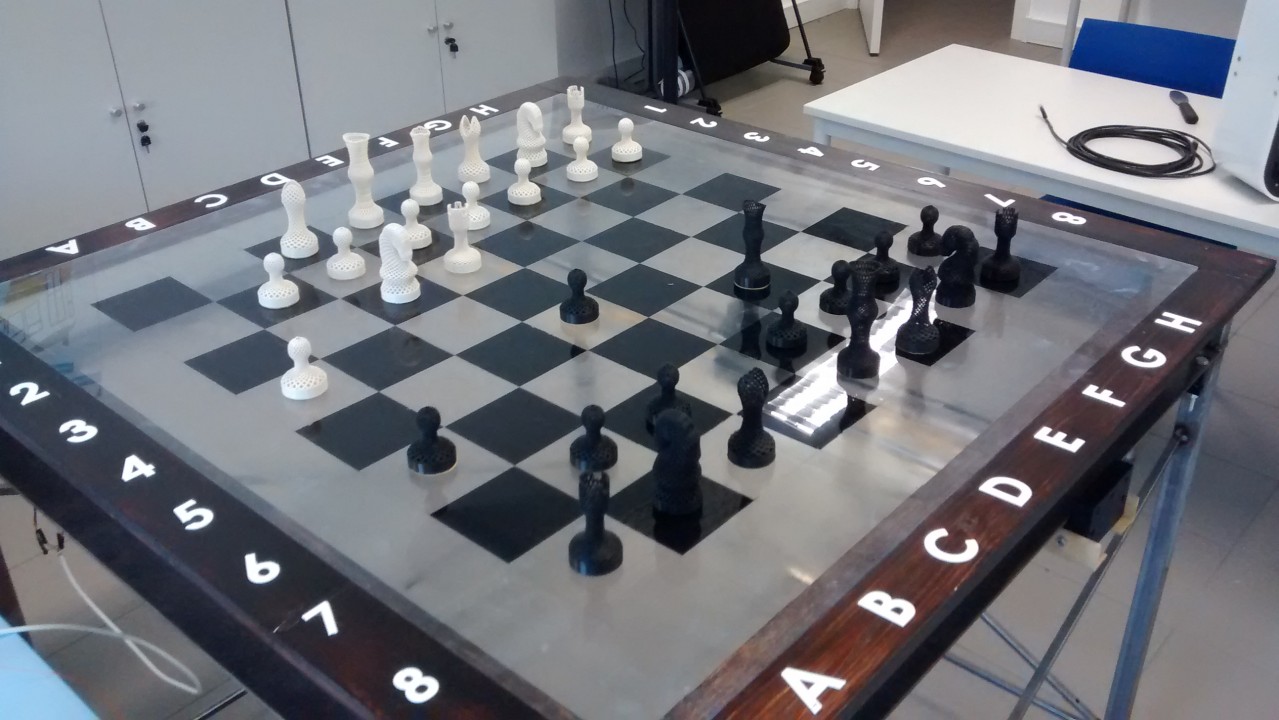
It was 2015 and I was still living and working in Évora, a city in Portugal considered as the "jewel" of Alentejo. This project was the first one that required more skills than I had that time. Software, hardware, design, leadership, partnerships, marketing, logistics…
It was the challenge I needed to improve myself.
The invitation
One day someone from a Fablab sent me an invitation to participate in the next edition of the Maker Faire Lisbon. It was going to happen in September 2015 and I really liked the first edition which I participated as well, but representing another institution.
As I've attended before, I knew how it was like - hundreds of great maker projects - so I felt like: "I can't go there with just small project, I want to go big!"
At that time I was doing my Master's degree, so I had a considerable group of friends there. So I gathered the ones that could help me with this project.
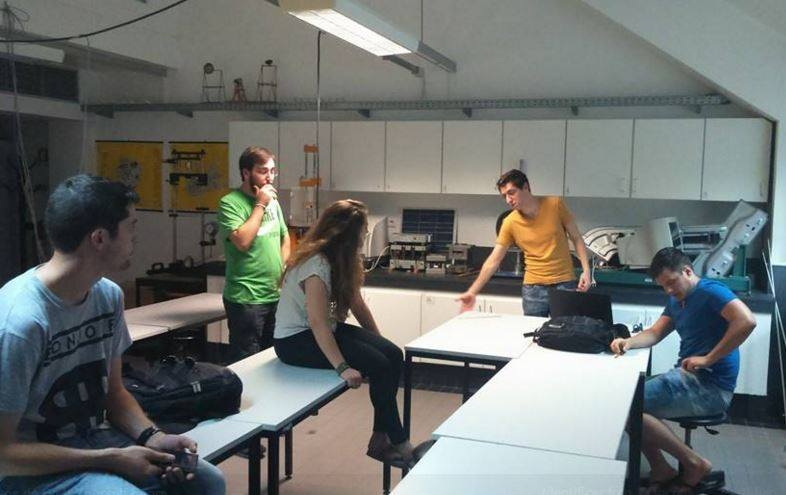
As we were brainstorming, many ideas were coming up, like building a autonomous robot gardener or a remote controlled airboat, but we felt that it was not "innovative" enough and we'd be only following the blueprints of those projects.
We wanted something out of the box.
But then someone trowed the idea of a voice controlled chess.
I said out loud: "Great! Let's make it big like in Harry Potter!"
Everyone laughed. But they liked the idea. The next question was...how big?
First thing that came up was the logistics issue. Transport each piece in a van? How tall can it be to fit in a car?
Someone said: "But Joao, you have a big van!" - "Yes I drive my parents van, a Peugeot Expert, it's not mine, I don't owe anything 🙃"
So we automatically decided that the chess table needed to fit inside the van, which was around 1 square meter. Then we also were thinking how can the pieces move without human interaction, just by voice? First thing came to my mind was a robotic arm to pick up the chess piece, but if the table was 1 square meter the robotic arm needed to be gigantic! So we gave up that idea.
Ok, so now we need to plan how were gonna do it.
We left the room excited about the project. It was gonna be something that requires our engineering knowledge that time. I had several thinking challenges on this. We still haven't got a solution on how to move the chess pieces...but then I thought: "What if we use magnets?"
Then mixing that up with a X-Y Core belt system:
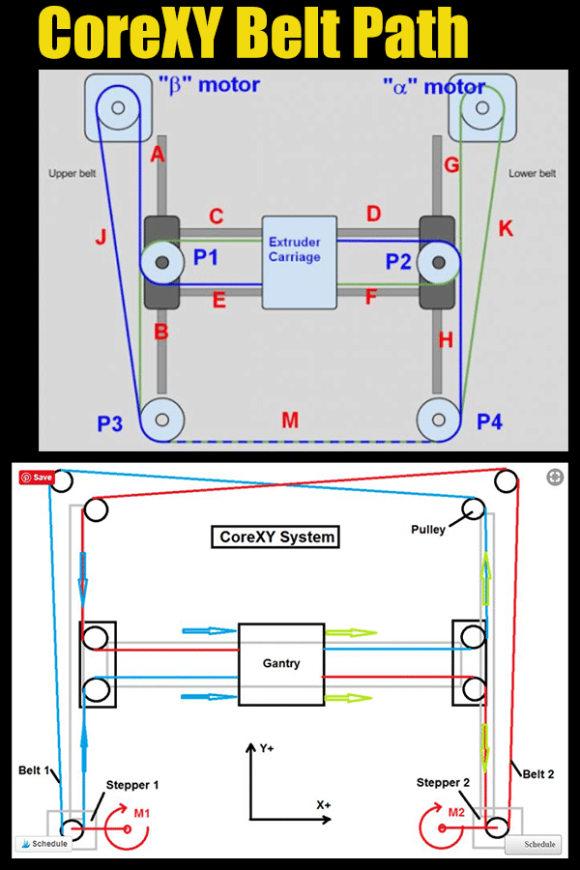
And solved!
But no one was really responsive, and they were busy with other things.
This led to my first lesson:
If you want to gather people, you need to build first then show. People feel more motivated to collaborate when they see something already happening.
For some people it's hard to pitch an idea and get people excited about it. That was my case.
So the way I learned to bring my vision to people is by building first then show it. So I started doing stuff independently.
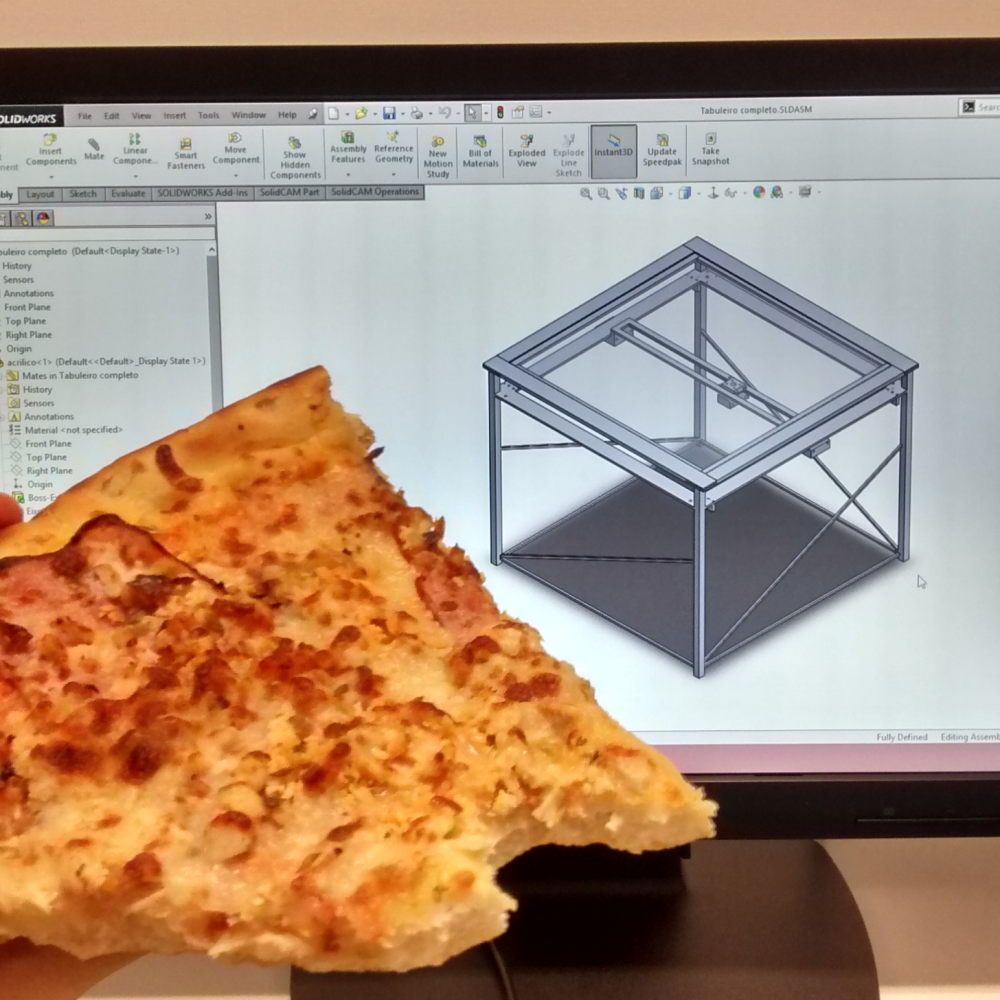
After they saw this CAD model I made, the group felt motivated. I wasn't totally sure this would work but I've made some simulations on Solidworks that proven this system. Then it's just a matter of gathering and start building.
Let's start building!
By that time I was the responsible of the Fablab Évoratech, so we had the spaces and the machines. We had 3D printers, CNC machines, laser cutting machine and vinyl cutter.
This was the time I had to lead a technical team and delegate tasks. We needed dedicated teams to build the structure, to build electronics, to code and another team to design the chess pieces (because we wanted to create originals).
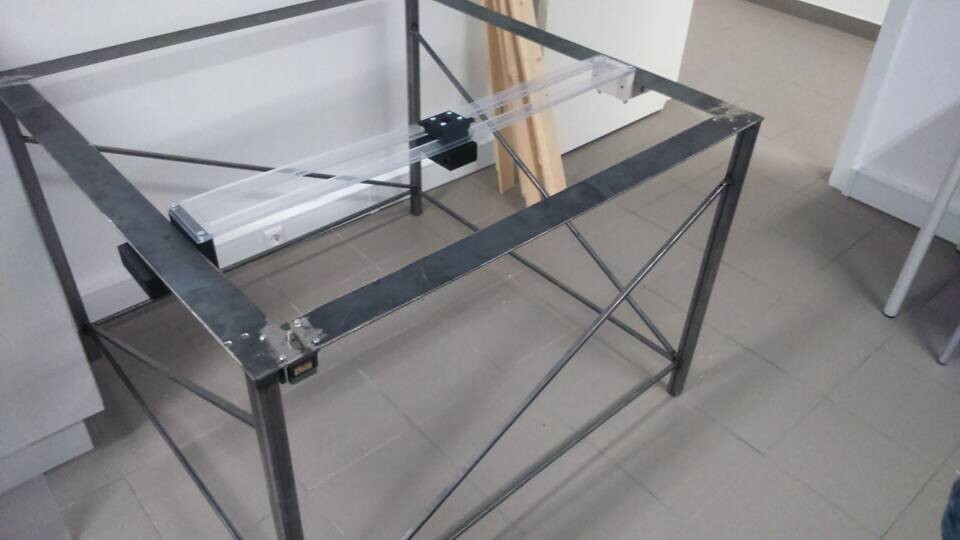
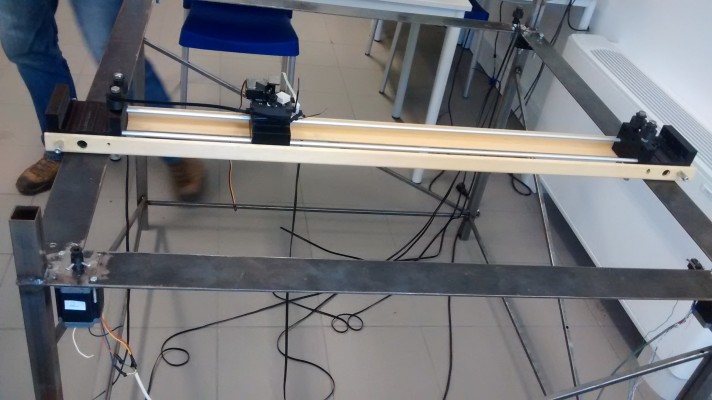
There were some issues on building the structure with PVC parts, and we realised that as this was a big structure, we needed more heavy lifting materials. I suggested to go overkill and do a metallic structure. So I went to a solder the structure and assemble. That was a bit of a mistake because it was almost impossible to fit the whole structure into the doors of the Fablab rooms 🤷🏻, but we managed.
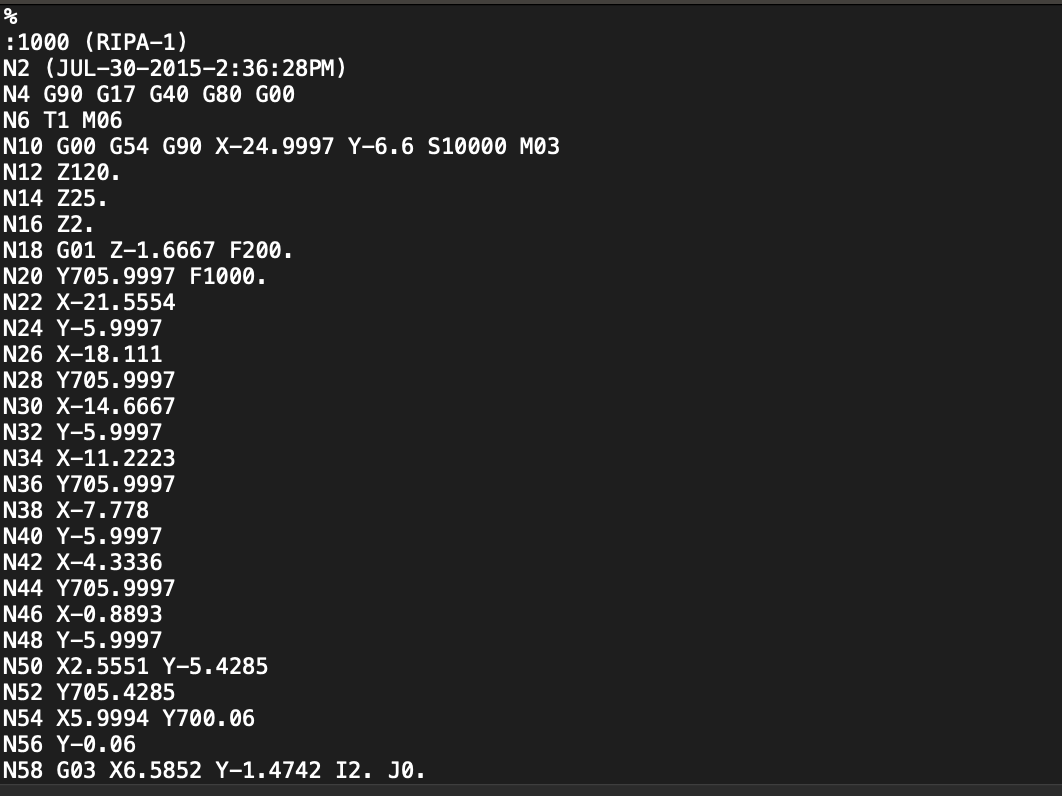
As we had a CNC machine we went overkill again and did a G-code for making the wood lock 💪
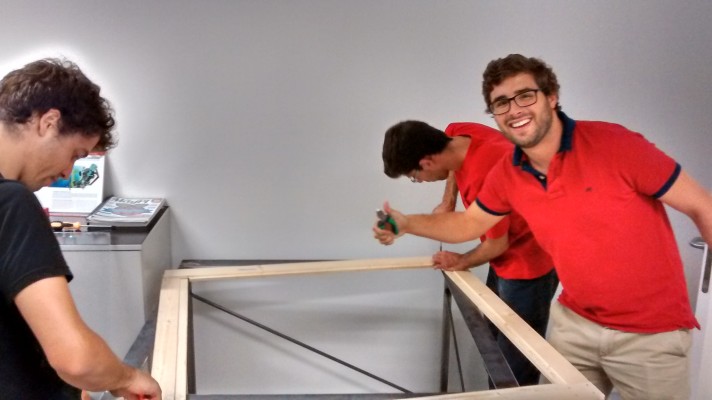
In the picture above: Cédric Pereira , José Ventura and André Rodrigues fixing the wood support for the acrylic table. There was another particular issue. The smooth slide of the "printers" head. The metal shafts were causing too much friction so we bought a special bearing that didn't need oiling to keep sliding in the shaft, pretty nice.
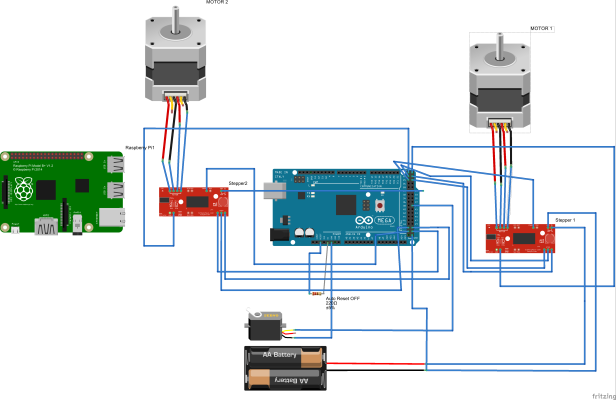
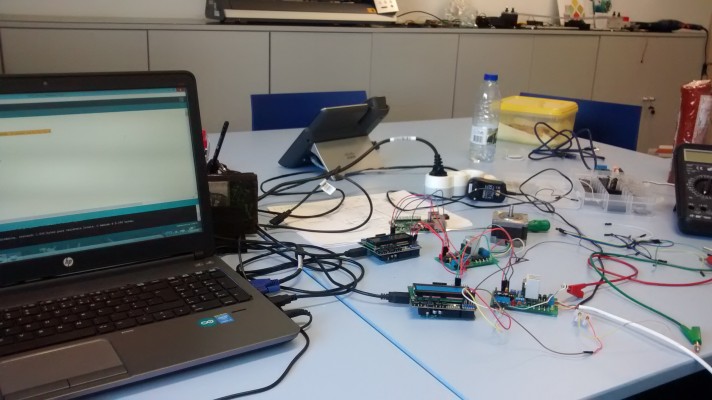
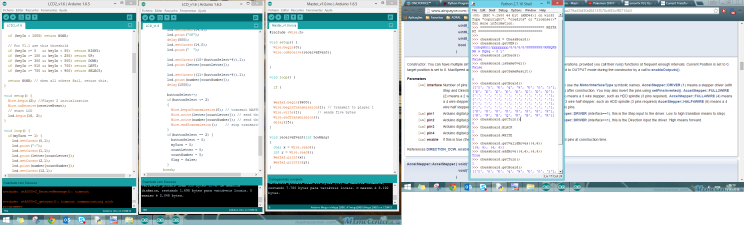
Meanwhile the electronics was getting somewhere. We used 2 Arduinos Mega to control the stepper motors which needed to be strong ones, as the length of the belt was greater than a normal 3D printer, therefore we also needed a powerful energy source. A PC energy source was enough to give power to all the system. And then a Raspberry Pi for the more advanced algorithm. It was needed to install a lib for the speech to text functionality and a lib with the chess rules. The goal was the player to speak the coordinate from position A to position B and validate the move.
Meanwhile Catarina Nunes was designing all the chess pieces in Rhino (I know right?) and she came to the Fablab with all the files ready to print. We just had to review some pieces because they were almost impossible to print with the machines we had.
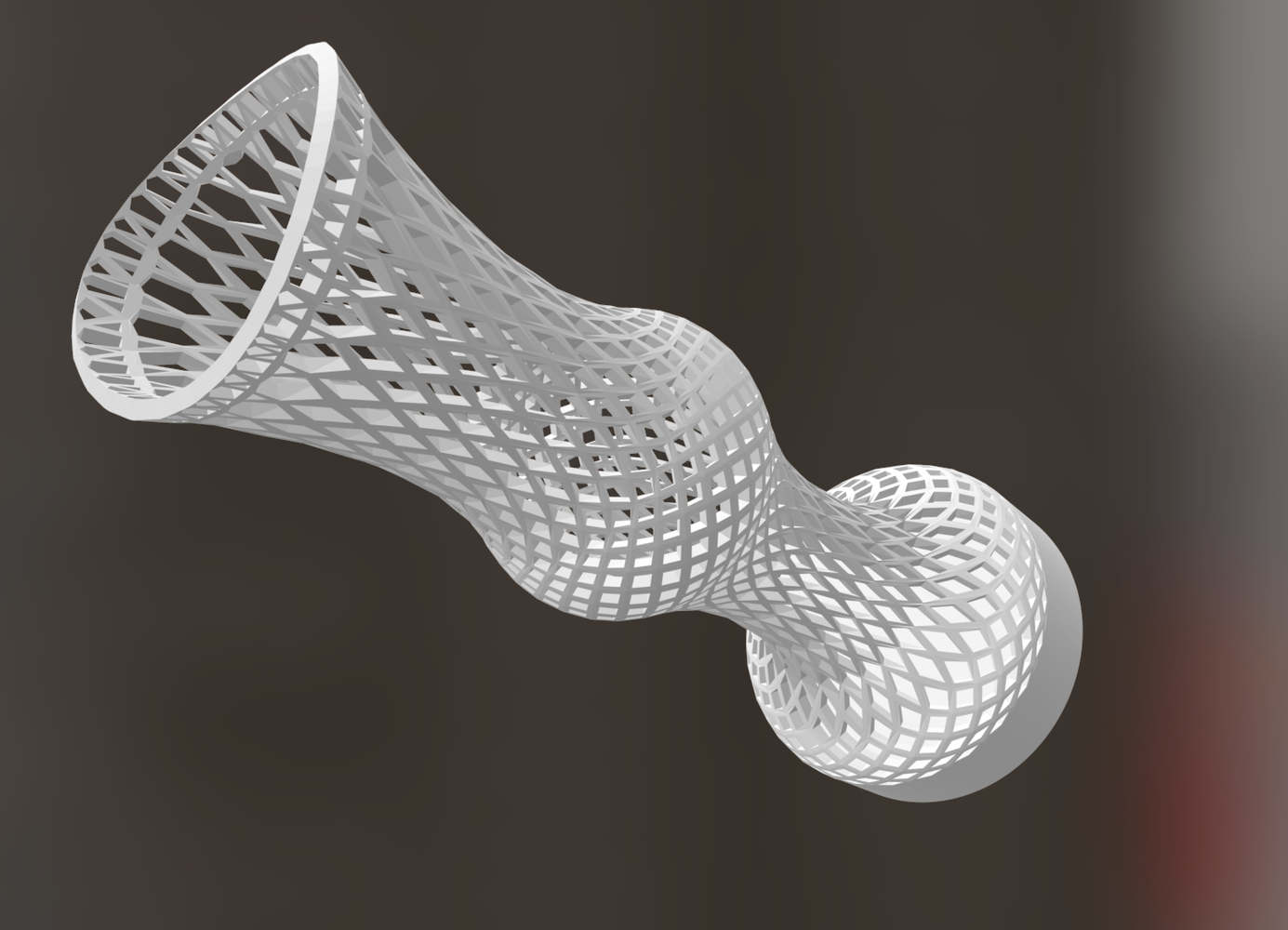
1 month left to the Maker Faire and we still had much work to do.
We still had to make the surface of the table and test the magnets moving the chess pieces. Making the XY Core move smoothly was also a challenge that made us iterate and print the system pieces multiple times with improvements. The chess squares needed to be 2:1 of the chess piece base, so the chess pieces could move in between the squares to advance.
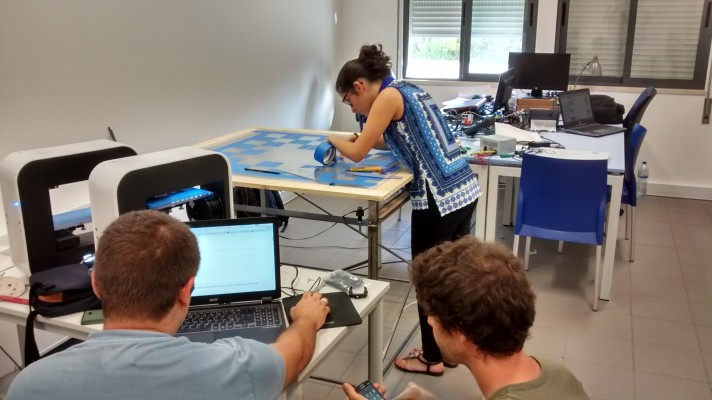
All the chess pieces needed to have an amount of magnets in its base so the grabbing magnet would pull it correctly. Also the distance and measurements were important. So we had to iterate to understand how much magnets were needed to have enough force.
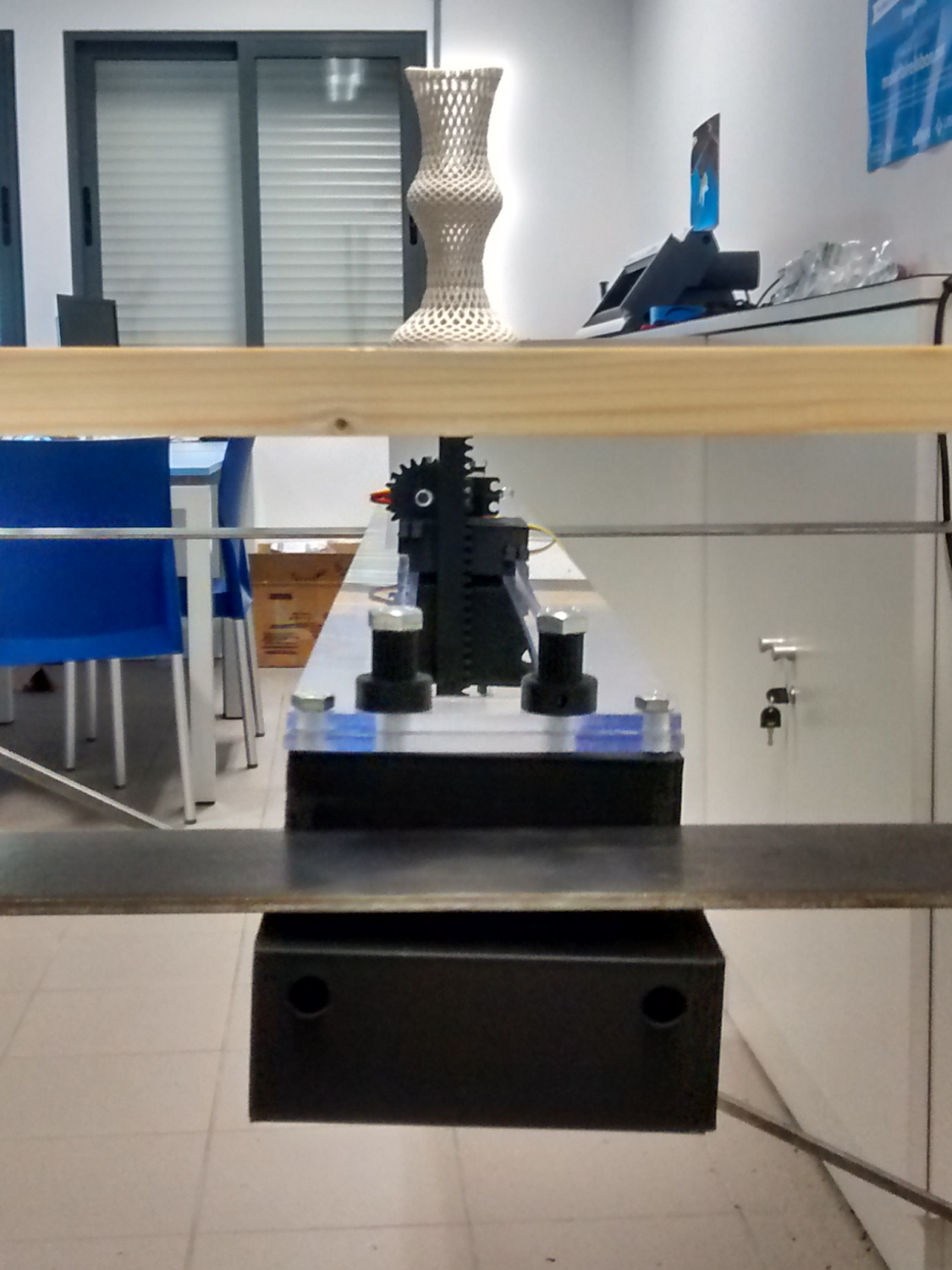
This system was also tricky to solve. The grabbing system had to be automated by a stepper motor that would go up and down to initiate the movement of the chess piece. So we had to change the whole electronics system and coding again.
After all alignments, fixes and electronics in place, we finally had a Talking Chess!
Ready! Onto the Maker Faire Lisbon 💪
After finally finishing the project now the anxiety was building up more as we needed to go to the Maker Faire Lisbon to show this to the public.
It was time to disassemble the table so it could fit into my van and take it to Lisbon. We arrived there a bit before and started assembly again. After the event opened, our project got the attention of everyone and we even got a ribbon. Here are some memories in the Maker Faire:
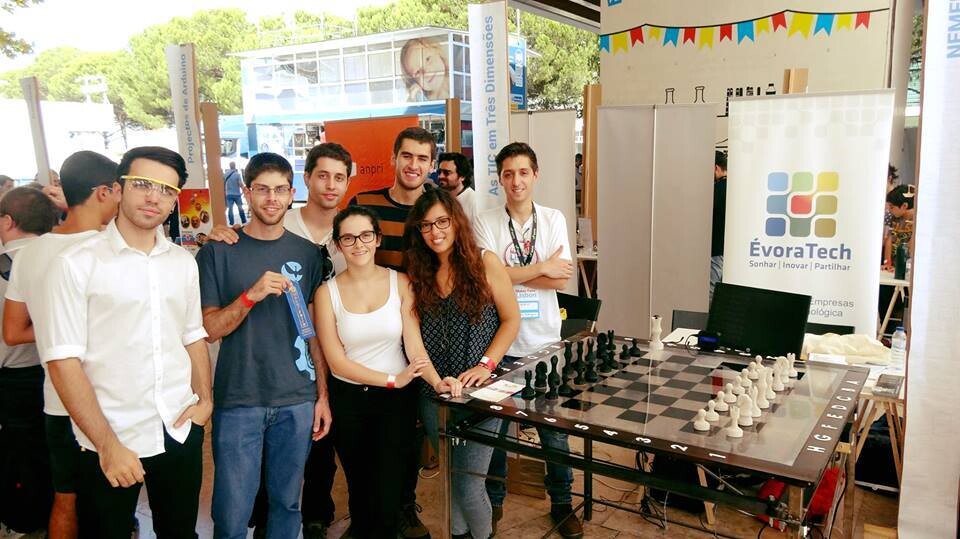
And that's it, I hope you liked one of the many stories from my journey.
This project was so fun to build I didn't even care about the 1st prize. Learned a lot and this was very important for my personal and professional growth. It made me dream of new and more ambitious projects. The same team I formed here was later known as the DIY Évora, a technologic volunteers group, which I will write about in the future stories.
References:
Repository with some stuff
A sincere thanks to the people of Fablab Évoratech (where I worked) for lending the spaces and resources.